
Understanding RTP and Volatility in Casino Games
Introduction to RTP and Volatility
Casino games are incredibly popular, with millions of people around the world enjoying them every day. However, many players are not aware of the concepts of RTP and volatility, which are crucial in understanding how casino games work. RTP stands for Return to Player, which is a measure of how much of the money played is returned to players over a longer period. Volatility, on the other hand, is a measure of the variation in wins and losses in a game. For example, you can visit rebellion-casinos.com to learn more about different casino games and their RTP and volatility.
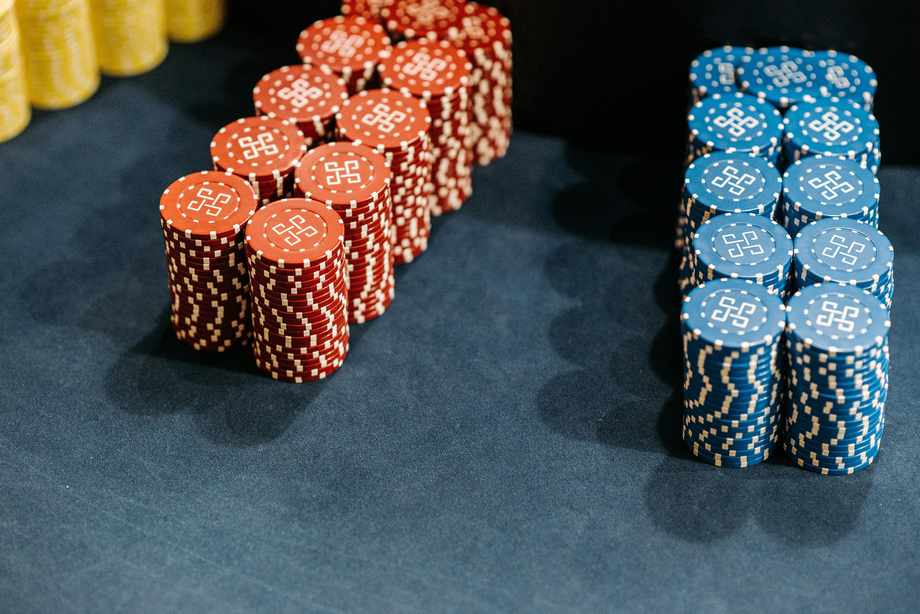
RTP and volatility are essential factors to consider when choosing a casino game. A game with a high RTP and low volatility may offer more frequent wins, but with smaller amounts, while a game with a low RTP and high volatility may offer less frequent wins, but with larger amounts. Understanding these concepts can help players make informed decisions and increase their chances of winning.
Table: Examples of RTP and Volatility in Different Casino Games
| Game | RTP (%) | Volatility | Game Type |
|---|---|---|---|
| Roulette | 97.3 | Low | Dice Game |
| Blackjack | 99.5 | Medium | Card Game |
| Slot Machines | 92-98 | High | Automated Game |
How RTP Works
RTP is a percentage of the money played that is returned to players over a longer period. For example, if a game has an RTP of 95%, it means that for every 100 kr played, the player will get back 95 kr over time. This does not mean that the player will win 95% of the time, but rather that the game will return 95% of the money played over a large number of spins or rounds.
It is essential to understand that RTP is a long-term measure, and short-term results may vary significantly. A game with a high RTP may still produce losses in the short term, while a game with a low RTP may produce wins. However, over time, the RTP will determine the overall return to the player.
Examples of How RTP Affects the Player
Let’s consider two examples: a game with an RTP of 95% and a game with an RTP of 90%. If you play the game with an RTP of 95%, you are more likely to win smaller amounts frequently. On the other hand, if you play the game with an RTP of 90%, you are less likely to win, but when you do, the amounts will be larger.
How Volatility Affects the Player
Volatility is a measure of the variation in wins and losses in a game. A game with high volatility may produce large wins and losses over a short period, while a game with low volatility may produce smaller wins and losses. Understanding volatility is crucial in managing your bankroll and choosing the right game for your playing style.
Table: Examples of How Volatility Affects the Player
| Game | Volatility | Wins and Losses |
|---|---|---|
| Slot Machines | High | Large wins and losses |
| Roulette | Low | Smaller wins and losses |
| Blackjack | Medium | Wins and losses in between |
Choosing the Right Game
When choosing a casino game, it is essential to consider both RTP and volatility. If you want to win smaller amounts frequently, you should choose a game with an RTP of 95% or higher. On the other hand, if you want to win larger amounts less frequently, you should choose a game with an RTP of 90% or lower.
Understanding RTP and volatility can help you make informed decisions and increase your chances of winning. By choosing the right game for your playing style and budget, you can enjoy a more exciting and rewarding gaming experience.
FAQ
What is RTP?
RTP stands for Return to Player and is a measure of how much of the money played is returned to players over a longer period.
What is volatility?
Volatility is a measure of the variation in wins and losses in a game.
What is the difference between high and low volatility?
High volatility means that a game may produce large wins and losses over a short period, while low volatility means that a game may produce smaller wins and losses.
